A combination square ensures precision marking and measuring in woodworking and metalworking, making it an essential tool for flawless DIY projects. A combination square set is an essential hand tool for both beginners and experienced tradespeople squaring joints or laying out cut lines. It consolidates several measuring functions into a single, dependable instrument that stays within arm’s reach on the workbench. That versatility is exactly why a Combination Square Set tends to be one of the best precision tools for a new fabricator or woodworker.
What Is a Combination Square Set?
Understanding the Tool
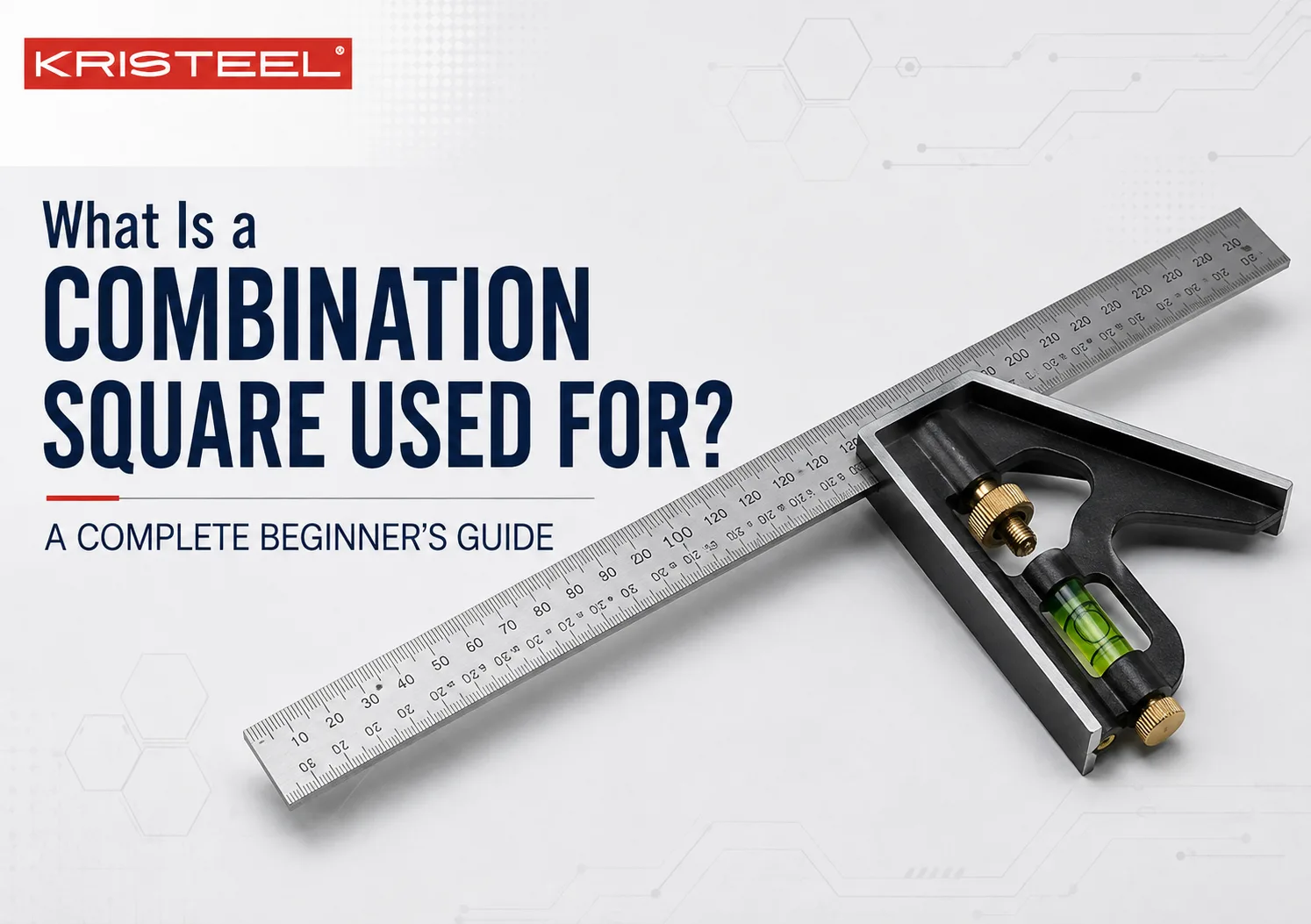
A combination square is a measuring instrument built around a graduated steel rule that accepts interchangeable heads, letting one tool perform the work of several. What sets a combination square set apart from a standard fixed square is its adjustability. A standard square only checks one angle, while a combination square set adapts to length, depth, angle, and center-finding tasks as the project demands.
Main Components
A typical set includes a steel rule, a square head, a protractor head, and a center head, each attaching to the same rule to unlock a different function. The square head checks and marks 90° angles and often 45° as well. The protractor head measures and marks custom angles, frequently across a full 0-180° range. The center head locates the middle of round stock. Together, these attachments allow the same rule to perform several distinct measuring and layout functions.
What Is a Combination Square Used For?

Measuring Length and Depth
The graduated rule handles straightforward linear measurement along its length, and doubles for depth measurement inside slots and grooves where a standard rule alone can’t sit flush.
Checking 90° and 45° Angles
The square head confirms and marks both square and mitered corners, catching a misaligned joint before glue or a weld.
Marking Straight Layout Lines
Using a scriber or pencil along the square head’s edge produces a precise, repeatable line for cutting or drilling.
Finding the Center of Round Objects
The center head attachment locates the exact midpoint of round bar or pipe stock, a task that’s genuinely difficult to do accurately without it.
Measuring and Marking Angles
The protractor head swings to any required angle within its range, letting a fabricator mark custom angles for non-square layouts.
Checking Flatness and Alignment
Some sets incorporate a built-in level, letting the tool double as a quick flatness or alignment check on any surface before fabrication or assembly continues.
Industries and Applications of a Combination Square
Woodworking
Cabinet making, furniture building, and joinery all depend on square, accurately marked joints for a clean final fit.
Metal Fabrication
Cutting, welding, and layout marking rely on the same squareness and angle references that woodworking uses, applied to metal stock instead.
Machining
Equipment setup and inspection tasks use the tool’s reliable 90° reference to confirm work is positioned correctly before machining begins.
Construction
Framing, trim installation, and alignment checks on site benefit from a compact tool that covers length, angle, and squareness together.
DIY & Home Projects
Repairs, hobby projects, and general home improvements all get easier with one tool that replaces a tape measure, a square, and a protractor.
How to Choose the Right Combination Square Set
Important Buying Factors
Look for a high-quality stainless or hardened steel rule, since a softer blade wears and loses accuracy faster under daily use. Clearly engraved measurement scales matter just as much, since faint or poorly stamped graduations become hard to read accurately over time. A smooth sliding mechanism keeps adjustment fast and precise, and a strong locking screw holds that adjustment securely once set. Corrosion resistance rounds out the list, particularly for tools that see regular use in a workshop environment.
Why Choose Trusted Combination Square Set Manufacturers
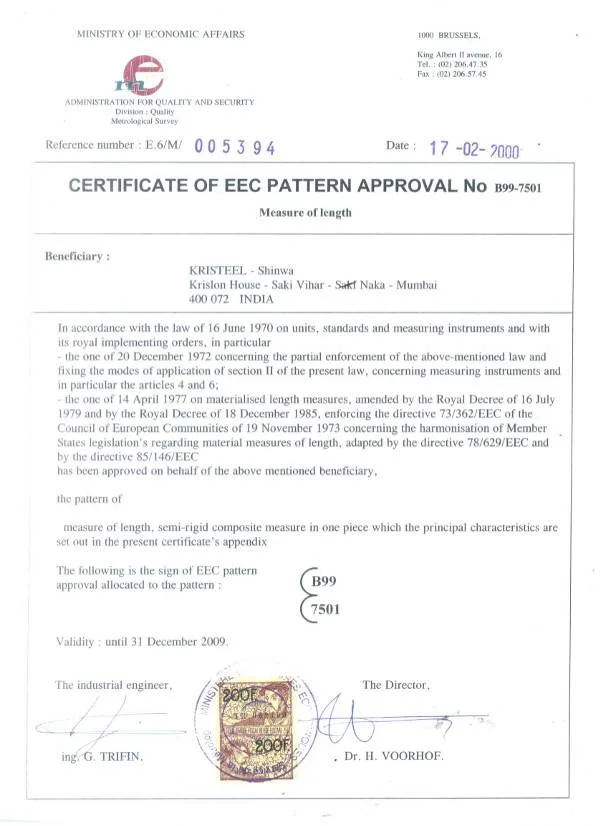
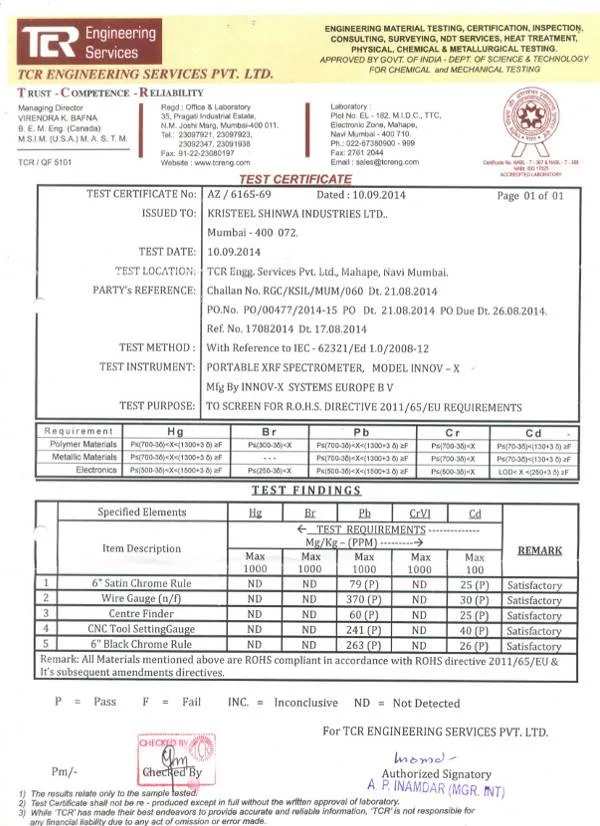
An experienced Combination Square Set Manufacturer provides higher precision and out-of-the-box calibration, as well as more sturdy construction that can withstand repeated daily use. It’s built to reliable quality standards, meaning longevity of performance, not a scale that goes out of true after a few months. Kristeel has decades of experience making measuring instruments for industrial and workshop use. Our combination square sets are designed to deliver exceptional durability and precise calibration for reliable measurements.
Conclusion
A combination square earns its reputation as an essential tool by handling length, depth, angle, and center-finding tasks in one dependable instrument. Ready to add one to your toolkit? Get in touch with Kristeel to find the right combination square set for your workshop.